


How to Choose Car Wash Sponge?
- autobravose
- Aug 13, 2025
- 4 min read

When it comes to upholding your car’s exterior gleaming and scratch-free, the car wash sponge you use can make a world of difference. With so many designs, materials, and brands on the market, picking the right one can be overwhelming. Whether you’re a casual car owner or a detailing enthusiast, knowing what to look for will help you avoid common cleaning mistakes and prolong your vehicle’s showroom shine. If you want quality and reliability, choosing products from a reputable car wash sponge manufacturer is always a smart starting point.
Why Choosing the Right Car Wash Sponge Matters
Many people underestimate the role of a sponge in the car washing process. The wrong choice can cause micro-scratches, swirl marks, and even strip away protective wax layers. On the other hand, the right sponge ensures effective dirt removal while preserving the smoothness of your paint.
Think of your car wash sponge as the handshake between your hands and your car’s surface — it should be gentle, yet effective, leaving nothing but a clean, streak-free finish.
Types of Car Wash Sponges
Before you head to the store or start browsing online, it’s important to know the most common types of car wash sponges available:
1. Traditional Foam Sponges
Made from polyurethane or synthetic foam.
Known for their excellent water absorption and easy grip.
Affordable and widely available, but they can trap grit if not rinsed frequently.
Best for: Budget-friendly washes where you can rinse often.
2. Microfiber Wash Pads & Sponges
Covered in soft microfiber strands or cloth.
Traps dirt away from the paint’s surface, reducing scratch risks.
Dries quickly and is machine washable.
Best for: Enthusiasts who want extra paint protection.
3. PVA (Polyvinyl Alcohol) Sponges
Highly absorbent and leave fewer streaks.
Smooth texture ideal for delicate surfaces.
Stays soft when wet and slightly stiff when dry.
Best for: Quick drying and spot-free finishes.
4. Natural Sea Sponges
Biodegradable and extremely soft.
Naturally uneven surface helps lift dirt effectively.
More expensive and requires careful cleaning after use.
Best for: Professional detailers and eco-conscious car owners.
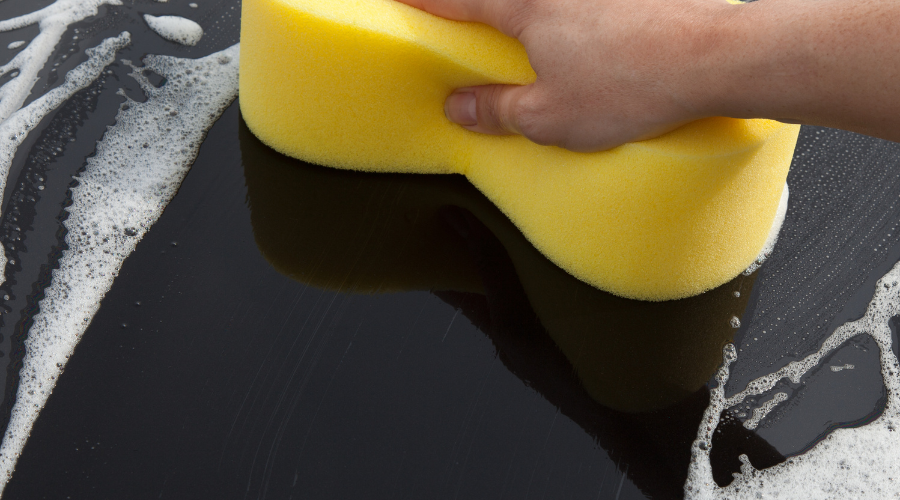
5. Specialty Shaped Sponges
Ergonomic designs like wave patterns, honeycomb surfaces, or 8-shaped grips.
Designed for better handling and improved cleaning coverage.
Best for: Hard-to-reach areas and detailed cleaning work.
Key Elements to Evaluate When Choosing a Car Wash Sponge
Choosing a sponge isn’t just about the material — it’s about matching the right sponge to your cleaning style and needs. Here’s what you should check before buying:
1. Softness and Paint Safety
The primary job of a sponge is to clean without scratching. Test the texture — it should feel soft and smooth. Avoid rough or abrasive materials unless you’re tackling stubborn grime on non-painted surfaces like wheels.
2. Water Absorption Capacity
A good sponge should hold plenty of soapy water. More water means more lubrication between the sponge and your car’s surface, reducing friction and preventing paint damage.
3. Dirt Release Ability
Some sponges trap dirt in their pores, which can scratch the paint during washing. Look for sponges with open-cell structures or microfiber designs that release dirt easily when rinsed.
4. Size and Grip
A sponge that’s too small will slow you down, while one that’s too big can be clumsy to handle. Find a size that comfortably fits your hand for better control.
5. Durability
High-quality sponges can last months or even years if cared for properly. Cheaper ones may degrade quickly, losing their softness or crumbling.
6. Purpose-Specific Designs
Not all sponges are for body panels. Some are designed for wheels, interiors, or glass surfaces. Using the right sponge for each area prevents cross-contamination and scratches.
Best Practices for Using a Car Wash Sponge
Choosing the perfect sponge is only half the battle — how you use it matters just as much.
Pre-Rinse the Car: Always rinse off loose dirt before touching the paint.
Two-Bucket Method: Use one bucket for foamy water and another for washing out your sponge.
Grit Guard Protection: Place a grit guard at the bottom of your rinse bucket to keep dirt away from your sponge.
Gentle Pressure: Let the sponge glide over the paint — don’t scrub aggressively.
Frequent Rinsing: Rinse the sponge after every panel to prevent scratches.
Dry Properly: After washing, let the sponge air dry in a clean area to avoid mold growth.
Caring for Your Car Wash Sponge
Even the best sponge won’t last long if neglected. Follow these tips to extend its lifespan:
Rinse Immediately: Remove all soap and dirt right after use.
Avoid Harsh Chemicals: Strong cleaners can damage the sponge’s material.
Store in a Dry Place: Prevent mildew by avoiding damp storage.
Inspect for Damage: Replace if you notice tears, hardened areas, or trapped grit.
Eco-Friendly & Innovative Sponge Trends
The car wash industry is embracing sustainability and innovation. Recent trends include:
Biodegradable Sponges: Made from natural or plant-based materials.
Graphene-Infused Sponges: Improve drying speed and resist bacterial growth.
Dual-Layer Designs: One side for gentle washing, another for targeted scrubbing.
Ergonomic Shapes: Reduce hand fatigue during long cleaning sessions.
If you want a future-proof choice, opt for sponges that combine eco-friendly materials with modern cleaning efficiency.
Conclusion
Choosing the right car wash sponge is more than just grabbing the cheapest option on the shelf. The right sponge should be gentle, absorbent, durable, and suited to your washing style. By paying attention to the type, material, and care requirements, you’ll protect your vehicle’s paint, save time, and make every wash a satisfying experience. And remember — quality often starts with a trusted manufacturer, so do your research and invest in a sponge that will keep your car looking its best for years.
FAQs
Q1: Can I use the same sponge for wheels and paintwork?
No. Wheels collect brake dust and heavy grime, which can scratch your car’s paint if transferred.
Q2: How often should I replace my car wash sponge?
Depending on usage and quality, replace it every 2–6 months or when it shows signs of wear.
Q3: Are natural sea sponges worth the price?
Yes, if you want a soft, eco-friendly option. They last longer with proper care but cost more upfront.
Q4: Is microfiber better than foam for car washing?
Microfiber tends to trap dirt away from the paint and rinses clean more easily, making it safer for delicate finishes.
Q5: How do I disinfect my sponge?
Soak it in warm soapy water,wash completely, and let it air dry in sunlight if possible.

Comments